
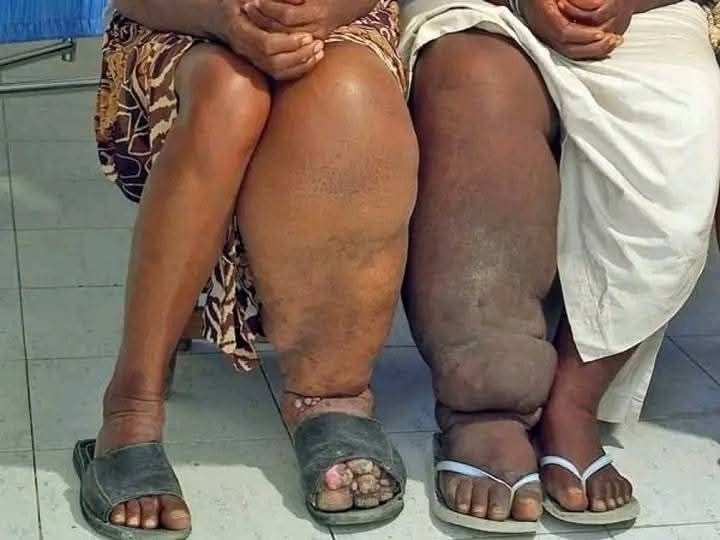
Lymphatic Filariasis (Elephantiasis)
Lymphatic filariasis, commonly known as elephantiasis, is a neglected tropical disease caused by parasitic worms. The disease is transmitted to humans through the bite of infected mosquitoes.
Causes and Transmission
The infection is caused by thread-like filarial worms, with Wuchereria bancrofti being responsible for approximately 90% of cases. The cycle of transmission begins when a mosquito ingests microfilariae (immature larvae) from an infected host. The microfilariae mature inside the mosquito, which then transmits the infective larvae to a new host when it bites them. These larvae travel to the human lymphatic system, where they mature into adult worms. These adult worms can live for 6-8 years, producing millions of new microfilariae that circulate in the bloodstream.
Symptoms and Progression
While many infections are asymptomatic, the disease can cause significant damage to the lymphatic system. The chronic, visible manifestations of the disease, such as lymphoedema, elephantiasis, and scrotal swelling, often appear later in life and can lead to permanent disability. The swelling is a result of the worms disrupting the normal function of the lymphatic system, leading to the accumulation of lymph fluid. This causes the skin to become thick, hard, and rough, resembling an elephant’s hide, which gives the condition its common name. The disease can also lead to secondary bacterial and fungal infections of the skin, which can cause pain and inflammation.
Treatment and Management
Treatment for lymphatic filariasis focuses on stopping the spread of the infection and managing the symptoms.
- Preventive Chemotherapy: The World Health Organization (WHO) recommends mass drug administration (MDA) of anti-parasitic medicines to at-risk populations to reduce the number of microfilariae in the blood and prevent transmission.
- Morbidity Management: For people with chronic conditions like elephantiasis, simple measures can help manage the disease and prevent progression. These include meticulous skin care, cleaning any cuts or scrapes, wearing comfortable shoes, elevating affected limbs, and exercises to improve lymphatic flow.
- Surgery: Surgery may be an option for severe cases, such as for hydrocele (scrotal swelling) or to improve lymphatic drainage.