
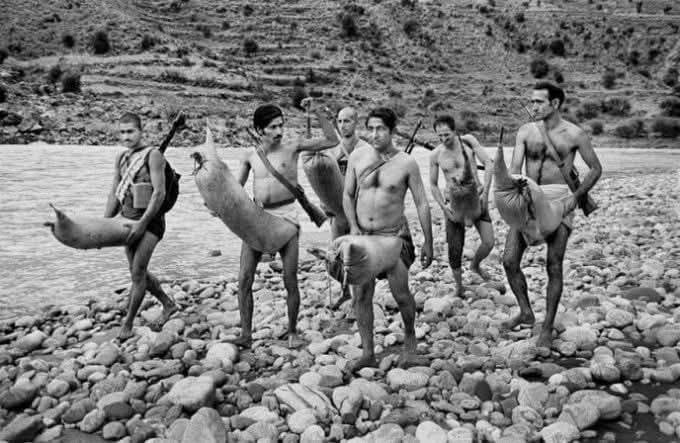
Afghanistan is a land of stark contrasts, where majestic landscapes and vibrant traditions coexist with the scars of prolonged conflict and severe cultural restrictions. It possesses a deep historical heritage, yet its recent narrative is marked by turmoil and the enduring resilience of its people.
Many outsiders reflect with sober gratitude, “Thank God I wasn’t born in Afghanistan.” This thought stems not from judgment, but from an appreciation for fundamental freedoms often taken for granted elsewhere.
These include the liberties to speak, learn, aspire, and live without pervasive fear. This perspective is sharpened by Afghanistan’s very different recent past.
In the 1960s and 1970s, the nation, particularly cities like Kabul, pulsed with modern energy. It was a place of cultural vitality, education, and visible progress.
During that era, women participated freely in society, wearing Western attire, pursuing higher education, and building careers as professionals, including doctors and journalists. Arts and public festivals were integral to daily life.
This trajectory was violently reversed by decades of war, foreign intervention, and the ascent of extremist rule. The Taliban’s rise in the 1990s systematically erased these gains.
Designated a terrorist organization by the UN and many nations, the Taliban regime erased women from public life, shuttered girls’ schools, and criminalized personal expression, embedding fear deeply into Afghan society.