
This text has been paraphrased to a length of approximately 240 words and structured into seven distinct paragraphs.
Many common foods harbor hidden risks and can become hazardous if prepared incorrectly. Staple ingredients and popular fruits sometimes contain natural toxins that require specific handling to ensure they are safe for consumption.
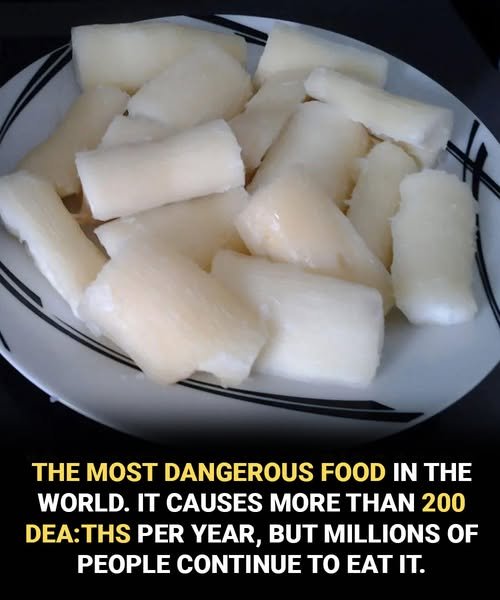
For instance, cassava, a dietary staple in many regions, naturally contains cyanogenic compounds. These substances can release cyanide unless the root is properly soaked and cooked thoroughly before eating.
Similarly, certain fruits like starfruit carry neurotoxins that are typically harmless to most but can be fatal for individuals with kidney disease. The seeds of apples, cherries, and bitter almonds also contain chemicals that can produce cyanide if consumed in very large, uncommon quantities.
Vegetables are not exempt from these dangers. Potatoes that have turned green from light exposure produce solanine, a toxic substance that can cause severe gastrointestinal distress and neurological issues if ingested.
Some dangers are more direct, such as the urushiol found on raw cashew shells and mango skin, which is the same allergen present in poison ivy. Furthermore, the potent tetrodotoxin in pufferfish, or fugu, demands preparation by specially licensed chefs to avoid fatal poisoning.
Even common kitchen spices like nutmeg contain myristicin, a compound that can induce hallucinations and other serious health effects when ingested in large amounts. Other plants, including raw kidney beans, rhubarb leaves, and elderberries, also contain toxins neutralized only by proper cooking.
Ultimately, awareness and correct culinary preparation are crucial. These examples underscore that vigilance is necessary to transform naturally dangerous foods into safe and enjoyable meals.