
Sweet Potato



1. What is a Sweet Potato?
The sweet potato is a starchy, sweet-tasting root vegetable belonging to the species Ipomoea batatas. Unlike the typical white potato (which is in the nightshade family), sweet potatoes are in the morning-glory family (Convolvulaceae). Medical News Today
They come in many varieties—with orange, purple, white or yellow flesh.
2. Nutrition Snapshot
Sweet potatoes are packed with nutrients. Here are some of the highlights:
-
One large (~180 g) sweet potato provides ~162 calories, ~37 g carbohydrates, ~3.6 g protein, ~0.1 g fat. Verywell Fit+1
-
Rich in vitamin A (via beta-carotene), vitamin C, potassium, and fiber. Healthline+1
-
Contain plant compounds like beta-carotene, anthocyanins (especially in purple varieties), and chlorogenic acid — all with antioxidant properties. Healthline
3. Health Benefits
Here are some of the major benefits of including sweet potatoes in your diet:
-
Eye health & vitamin A support: Because of high beta-carotene, sweet potatoes support vision and immune function. Medical News Today+1
-
Antioxidant & anti-inflammatory: The plant compounds can help protect cells from oxidative damage and inflammation. Healthline+1
-
Digestive support & fibre: With fibre content, sweet potatoes help with gut health and may aid in maintaining fullness. Apollo 24|7
-
Heart & blood pressure support: Potassium helps regulate fluid balance and may support healthy blood pressure. Apollo 24|7
-
Versatile carbohydrate source: They provide complex carbs and naturally sweet flavor, making them useful in many diets.
4. Things to Consider
-
Glycemic index (GI) varies: Depending on how they’re cooked, sweet potatoes can have a medium to high GI, meaning their effect on blood sugar can vary. Healthline+1
-
Preparation matters: Baking, roasting, boiling differently affect nutrient retention (for example beta-carotene absorption improves with some fat). Healthline
5. Growing & Cultivation Basics
If you’re thinking of growing them (especially relevant if you’re in a warm climate like Karachi’s):

-
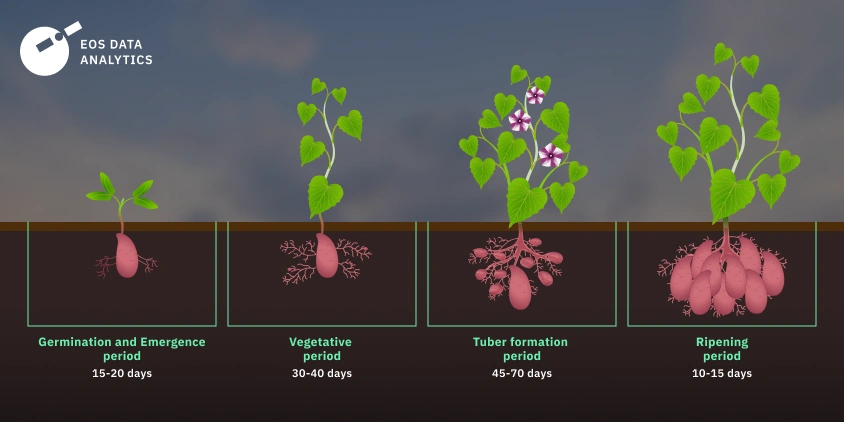
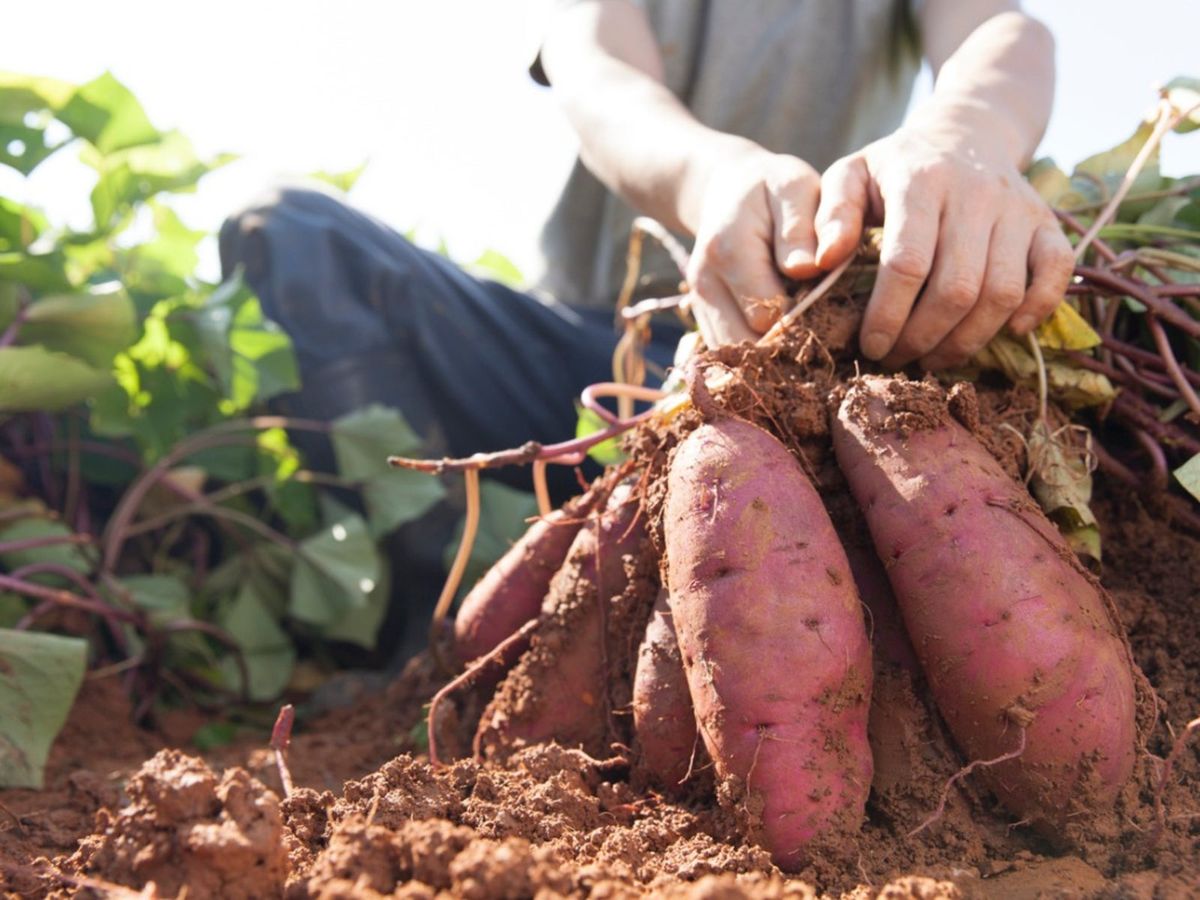
They prefer warm weather and a long growing season (roughly 90–140 days for harvest).
-
They can be grown from “slips” (sprouts from tubers) rather than seed, and are forgiving in many soil types provided there’s good drainage and warmth.
-
The vines spread along the ground; care should be taken for pests and soil pests (nematodes etc) during growth.
6. Culinary Uses
Sweet potatoes are very versatile in cooking:
-
They can be baked, roasted, mashed, turned into fries, or used in soups and casseroles.
-
Because of their natural sweetness, they work in both savory and sweet dishes (e.g., sweet potato pie, curries, toasted with spices).
-
Retaining skin when possible is beneficial since skin holds additional fibre and nutrients (just ensure it’s thoroughly cleaned).
7. Summary
In short: Sweet potatoes are a highly nutritious, versatile vegetable that support eye health, immunity, digestion, and more. Whether you eat them or grow them, they’re a strong addition to a healthy diet or garden.